By Cliff Potts, CSO, and Editor-in-Chief of WPS News
Baybay City, Leyte, Philippines — August 14, 2026
There’s something I can’t quite get my head around anymore.
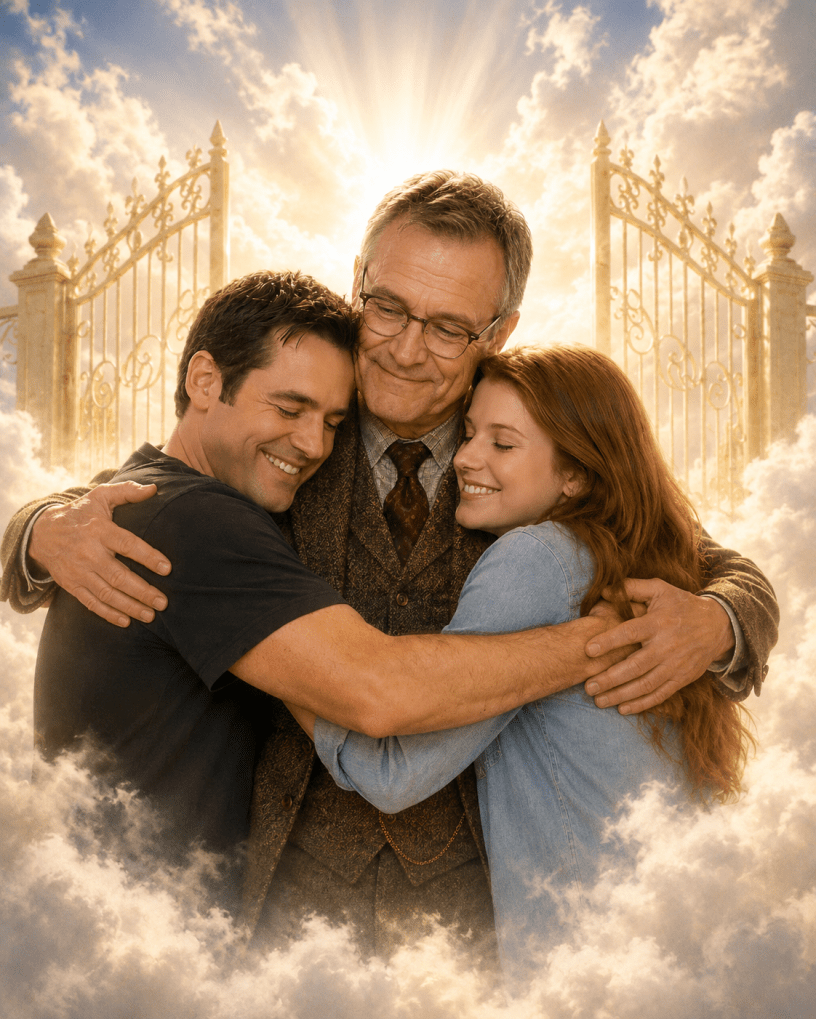
The people I grew up watching—the ones who felt constant, familiar, almost permanent—are disappearing. Not all at once. Not in some dramatic wave. Just… one by one. Quietly. Too early.
And it hits harder now than it used to.
I can accept age. I can accept a long life reaching its end. When I think of someone like James Caan or Darren McGavin, there’s a sense of completion there. They lived full careers. They gave us decades of work. McGavin’s turn as Carl Kolchak in Kolchak: The Night Stalker was something special—smart, gritty, ahead of its time. And yes, most people remember him from A Christmas Story, but Kolchak? That was lightning in a bottle. Mishandled by executives who didn’t understand what they had.
That kind of loss, I can process.
But what I’m struggling with now is something else entirely.
It’s the ones who feel like they should still be here.
I find myself thinking about Xander Harris from Buffy the Vampire Slayer—played by Nicholas Brendon—and Dawn Summers, played by Michelle Trachtenberg. Those characters are locked in time in my head. Young. Alive. Moving through stories that never seemed to end.
That’s the trick television plays on us. It freezes people in place. It tells us, quietly, that they’ll always be there when we come back.
But reality doesn’t work that way.
Then there are the losses that land like a punch to the chest. Matthew Perry—Chandler Bing—gone far too soon. John Ritter—one of the most natural comedic actors we ever had—also gone before his time.
You look at it and think: This isn’t how it’s supposed to go.
Not like that. Not that early.
And the question keeps coming back, over and over:
How many more?
Because it doesn’t feel random anymore. It feels like a pattern we don’t want to admit we see. Stress. Addiction. Isolation. Health systems that don’t catch people in time. A culture that burns people bright and then leaves them to manage the fallout alone.
We celebrate them when they’re on screen. We quote them. We replay their work. But off-screen? Too often, they’re carrying more than anyone sees.
And maybe that’s the part that sticks with me.
Not just that they’re gone—but that something in the way we live, the way we work, the way we treat each other, might be part of the reason why.
Life is short. That’s not a cliché anymore. It’s a fact that keeps proving itself.
Too short.
If there’s anything to take from this, it’s not nostalgia. It’s responsibility.
We need to do better—by ourselves and by each other.
Because if people with talent, resources, and visibility can slip through the cracks this easily, what does that say about everyone else?
We don’t need more tributes after the fact.
We need more care while people are still here.
If this work helps you understand what’s happening, help me keep it going: https://www.patreon.com/cw/WPSNews
Discover more from WPS News
Subscribe to get the latest posts sent to your email.

