Shared Skillsets That Strengthen Domestic Defense for Minnesota’s New 2A Advocates
By Whitetail Shadow
Rochester, Minnesota — 1 February 2026
Introduction
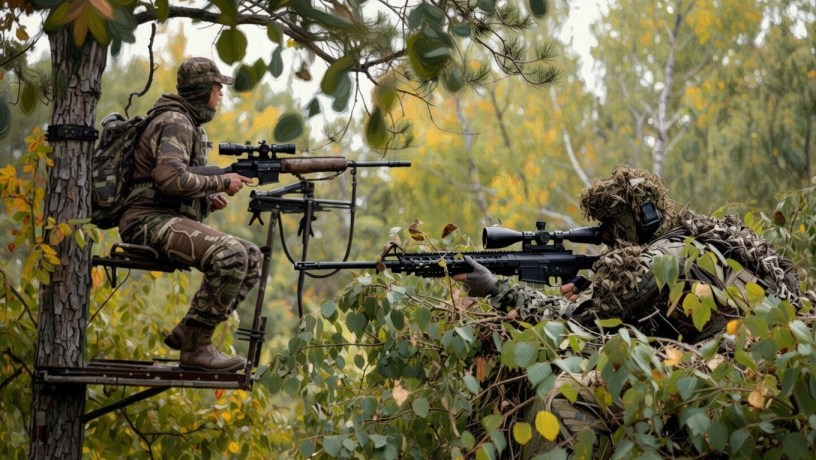
Deer hunting from an elevated stand and sniper operations in natural cover may seem worlds apart, yet they demand nearly identical skillsets rooted in discipline, environmental awareness, and calculated action. For newer 2A advocates in Minnesota—where deer hunting is a deep cultural tradition—these parallels translate directly to responsible domestic defense applications, such as home protection, property defense, or prolonged observation in lawful self-defense situations.
Patience and Mental Endurance
Both the deer hunter in a stand and the sniper in the bush must remain motionless and alert for hours, sometimes days. Sudden movement or noise ruins the opportunity. This shared demand for sustained focus and emotional control builds mental resilience crucial in domestic enforcement contexts, where waiting out a threat—such as monitoring a property line during civil unrest or a potential home invasion—prevents rash decisions and maintains tactical advantage.
Concealment and Camouflage Mastery
Hunters break up their silhouette with tree bark patterns, elevated positioning, and scent control, while snipers employ ghillie suits, natural foliage, and terrain blending. In Minnesota’s wooded and rural landscapes, these concealment techniques directly apply to domestic scenarios: blending into backyard cover or attic vantage points during a defensive situation, reducing detection risk and allowing time for assessment or law enforcement response.
Observation, Pattern Recognition, and Target Identification
Successful deer hunters study wind direction, animal trails, feeding patterns, and subtle movements. Snipers similarly analyze terrain, human behavior, and environmental cues to distinguish threats from non-threats. New 2A advocates benefit from this skill in domestic enforcement by learning to observe potential intruders without revealing position, evaluate intent, and make informed decisions that prioritize de-escalation and legality.
Precision Marksmanship and Environmental Factors
Both require understanding ballistics, range estimation, wind drift, and shot placement for ethical/effective outcomes—vital organs for hunters, precise incapacitation for snipers. Minnesota hunters already practice these fundamentals seasonally. In a home or property defense context, this translates to accurate, responsible firearm use under stress, minimizing collateral risk and aligning with 2A principles of lawful self-defense.
Application to Domestic Enforcement for Minnesota 2A Advocates
These overlapping skillsets enhance preparedness without militarization. New advocates can leverage hunting experience for practical training: practicing stand-like elevated observation from safe home positions, studying local terrain for concealment routes, and honing marksmanship at ranges. This approach supports responsible gun ownership, complements law enforcement efforts, and strengthens personal and community security in Minnesota’s unique mix of urban, suburban, and rural environments.
Conclusion
The deer hunter’s quiet vigil in the stand and the sniper’s disciplined hide share profound similarities that go beyond sport or military application. For Minnesota’s newest 2A advocates, embracing these parallels builds competent, ethical defenders focused on protection rather than aggression. Start with your next hunting season or range session to develop these timeless skills.
Sometimes you do have to point out the obvious.
Discover more from WPS News
Subscribe to get the latest posts sent to your email.

