By Cliff Potts, CSO, and Editor-in-Chief of WPS News
Baybay City, Leyte, Philippines — November 14, 2026
The U.S. Embassy in the Philippines provides a list of local attorneys for Americans who need legal assistance. On paper, this is exactly what it should do. It offers neutral information, avoids endorsements, and gives citizens a starting point.
The list is real. It is current. It is publicly available.
But that is not the same as being usable.
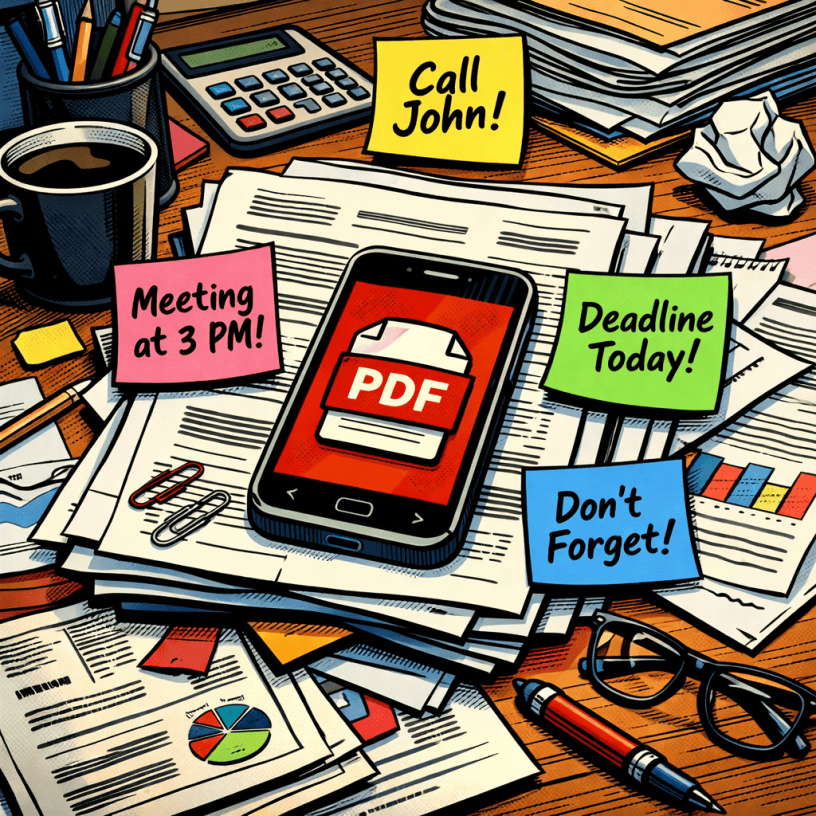
The attorney list is distributed as a PDF. Not a modern directory. Not a searchable web tool. A static document.
That matters.
The practical task is simple. Find a lawyer. Contact the lawyer. Move forward.
But the design of the document turns that into a slow, manual process. You scroll through pages, locate contact details, and then retype or copy email addresses that are not always clickable or cleanly formatted. Some are split across lines. Others are presented in ways that increase the chance of mistakes (U.S. Embassy Manila, 2026).
This is not a minor inconvenience. It is friction added directly into a moment where people are already dealing with legal uncertainty, time pressure, and stress.
The Embassy includes clear disclaimers. It does not endorse the lawyers listed and assumes no responsibility for their services (U.S. Embassy Manila, 2026).
That is standard and reasonable.
But what follows is a pattern. Provide a list. Avoid responsibility. Leave execution to the user.
In theory, that works.
In practice, it means the person in need of help is now responsible for navigating a poorly formatted document, identifying appropriate legal services, initiating contact without guidance, and filtering quality without support.
The system exists. The usability does not.
There is another problem that is not obvious at first glance. The document assumes a level of geographic familiarity with the Philippines that many foreign users simply do not have.
Listings are organized by offices and locations across Metro Manila, Cebu, Davao, and other areas. For a local professional, that may be meaningful. For an expat, it often is not.
If you are living in Baybay City, you know Baybay City. You may know where Tacloban is. You may know Cebu exists. You may have a general idea where Manila is.
But that does not translate into knowing where specific business districts, streets, or law offices are located, or how accessible they are from where you live.
Without that context, the location data in the document becomes noise rather than guidance.
This is 2026. A significant number of users are operating on phones, tablets, limited bandwidth, and single-screen workflows.
The document does not reflect that reality.
A mobile-first design would include clickable email links, tap-to-call phone numbers, clear separation of entries, and simple filtering by legal category.
Instead, the document behaves like something built for print and never adapted.
This is not a casual directory.
People accessing this list are often dealing with immigration issues, the death of a spouse, legal status uncertainty, and financial pressure.
In that context, usability is not cosmetic. It is functional.
Every extra step increases delay, frustration, and the chance of mistakes.
The Embassy has provided information.
What it has not fully provided is access.
There is a difference between saying “here is a list” and making that list actually usable under real-world conditions.
This is not a complex fix. It is a design problem.
A usable system would include a web-based directory, clickable contact fields, filtering by legal specialty, clean formatting, and regularly verified data.
These are standard features.
The Embassy did not fail to provide a resource.
It failed to provide a usable one.
That distinction matters.
Because in real situations, under real pressure, the difference between available and usable is the difference between moving forward and getting stuck.
For more from Cliff Potts, see https://cliffpotts.org
If this work helps you understand what’s happening, help me keep it going: https://www.patreon.com/cw/WPSNews
If you want to fight fascism around the world, go to https://endfascism.xyz
References
U.S. Embassy Manila. (2026, March 3). List of lawyers. https://ph.usembassy.gov/legal-assistance/
Discover more from WPS News
Subscribe to get the latest posts sent to your email.

