By Cliff Potts, CSO, and Editor-in-Chief of WPS News
Baybay City, Leyte, Philippines — November 17, 2026
The Mechanism Being Examined
Trade in the digital era is not only about goods.
It is about data, access, and control over information flows.
This essay examines data localization, information control, and regulatory capture in digital infrastructure, and how these mechanisms shape leverage without appearing overtly political.
Data rules increasingly function as borders.
How Data Rules Are Supposed to Work
In principle, data regulation exists to:
- protect privacy
- ensure cybersecurity
- safeguard consumers
- maintain system integrity
Well-designed frameworks are:
- transparent
- proportionate
- technologically neutral
- subject to independent oversight
They balance security with openness.
What Changes in Practice
In China, data rules have often operated as control mechanisms rather than neutral safeguards.
Foreign firms have faced:
- mandatory data localization
- limits on cross-border data transfer
- opaque security reviews
- requirements to share source code or system access
- regulatory discretion without meaningful appeal
Compliance can mean surrendering operational autonomy.
Why Data Localization Creates Leverage
When data must reside locally:
- systems become dependent on domestic infrastructure
- oversight shifts to local authorities
- exit costs rise dramatically
Control over data location becomes control over the business itself.
This leverage is subtle, persistent, and difficult to unwind once established.
The Link to Infrastructure
Data rules do not operate in isolation.
They intersect with:
- cloud services
- telecommunications networks
- payment systems
- logistics platforms
- government procurement
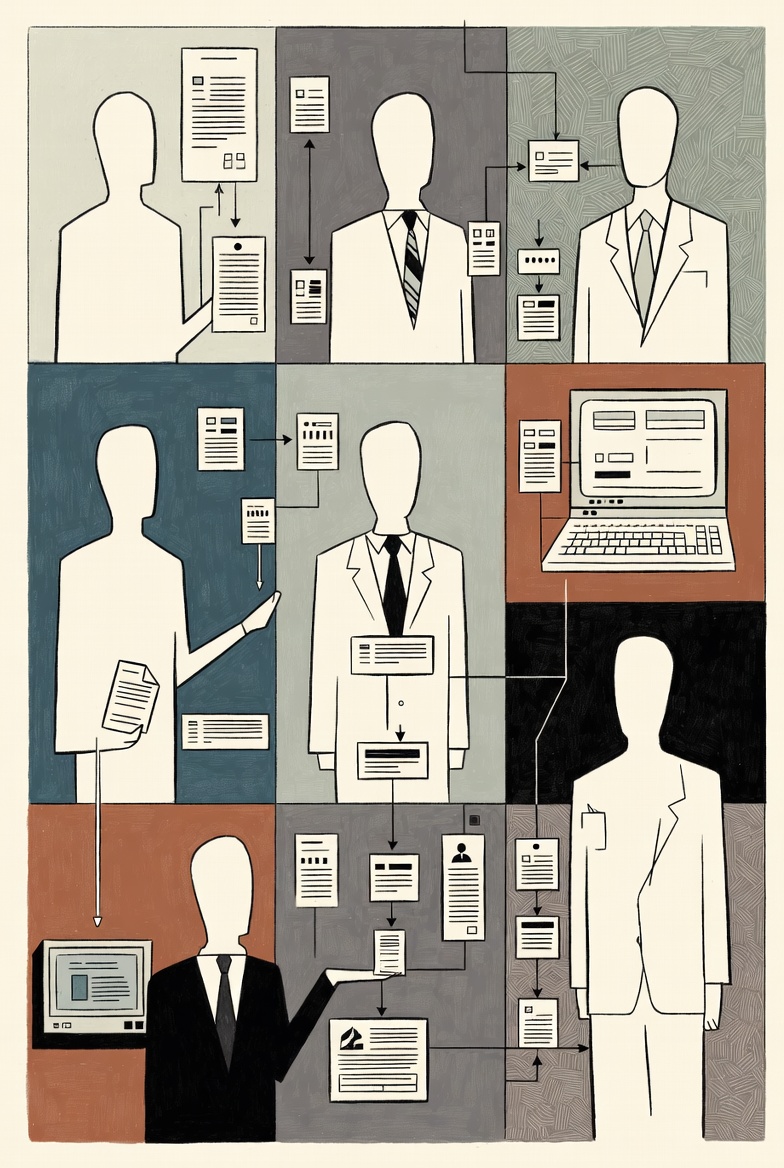
Together, these layers form a digital enclosure that favors domestic actors while constraining foreign ones.
Who Bears the Cost
The costs of restrictive data regimes fall on:
- foreign firms forced to redesign systems
- consumers facing reduced service choice
- governments losing visibility into supply chains
- innovators operating under uncertainty
Over time, fragmentation replaces integration.
Why This Matters for the Philippines
The Philippines is expanding its digital economy while balancing:
- cybersecurity concerns
- foreign investment
- regional integration
Data localization elsewhere demonstrates how digital rules can quietly narrow policy options and increase dependency.
Design decisions made early are hard to reverse.
Why This Fits the Pattern
Bad faith in the digital era rarely announces itself.
It appears as regulation.
It operates as control.
When data rules are discretionary and asymmetrical, markets stop being open systems and become gated environments.
What Comes Next
The next essay will examine debt-for-access arrangements and long-term operational concessions, where financial pressure translates into enduring control.
The record continues.
For more social commentary, please see Occupy 2.5 at https://Occupy25.com
This essay will be archived as part of the ongoing WPS News Monthly Brief Series available through Amazon.
References (APA)
Cyberspace Administration of China. (2021). Data security law of the People’s Republic of China. CAC.
Farrell, H., & Newman, A. (2019). Weaponized interdependence. International Security, 44(1), 42–79.
Organisation for Economic Co-operation and Development. (2022). Cross-border data flows and trade. OECD.
Discover more from WPS News
Subscribe to get the latest posts sent to your email.

