Chapter 5: The Rise and Fall of Blackbeard: The Legend of Edward Teach
Biography of Blackbeard
Early Life
Edward Teach, better known as Blackbeard, was born around 1680, likely in Bristol, England. Sources about his early life are scarce, but it is widely believed that he was the son of a wealthy tobacco planter. Teach’s maritime career began in his youth, possibly as a sailor in the merchant shipping business. His transition into piracy can be attributed to the tumultuous climate of the early 18th century—a time marked by growing unrest among sailors and increased naval warfare.
The Pirate Beginnings
Teach’s rise to notoriety began around 1716 when he joined the crew of the infamous pirate Captain Benjamin Hornigold. Under Hornigold’s mentorship, Teach honed his skills in piracy and navigation. After gaining experience and credibility, he seized command of his own ship, a formidable vessel dubbed the *Queen Anne’s Revenge*, which had previously belonged to another pirate captain. This ship, armed with numerous cannons, became a fearsome tool in Blackbeard’s arsenal.
The Height of His Infamy
During the years 1716-1718, Blackbeard’s reign of terror was at its peak. He became known for his audacious and ruthless tactics. His distinctive appearance—marked by a long black beard, which he often lit fuses in to create a menacing image—added to his fearsome reputation. He primarily operated in the waters of the Caribbean and along the American colonies, threatening merchant vessels and seizing their cargo.
Blackbeard was not just a ruthless pirate; he was a cunning strategist who understood the art of warfare and the importance of psychological manipulation. He skillfully employed intimidation and created a terrifying persona. With his long, braided beard adorned with slow-burning matches and fuses, he would often light them during battles, creating a dramatic cloud of smoke that obscured his face. This fearsome appearance was designed to instill dread in the hearts of his enemies, often leading to their surrender without a fight. The legend of a man with smoke billowing from his visage became a hallmark of his raids, effectively playing on the fears of those who encountered him.
Blackbeard was also adept at using cunning strategies and tactical surprise to dominate his opponents. He manipulated the battleground to his advantage by positioning his ship in ways that obscured its size and firepower. His vessels were often painted in dark colors, which helped them blend into the natural surroundings, making it difficult for merchant ships to detect him until they were already within striking range. This deceptive approach allowed him to surprise unsuspecting merchant vessels, targeting them with overwhelming force before they had time to mount an effective defense.
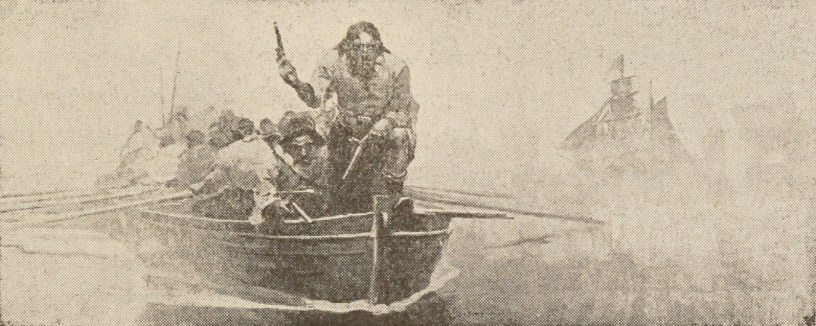
When engaging in piracy, Blackbeard showcased exceptional boarding techniques. His crew was well-trained in the art of close combat, approaching targets in small boats to stealthily close the distance while avoiding open confrontation. Once on board, they would unleash their ferocity, utilizing their superior numbers to quickly take control of the vessel and subdue any resistance from enemy crews. This tactical proficiency made Blackbeard particularly feared among his contemporaries.
A key component of Blackbeard’s success was his ability to build and expand his fleet through the strategic use of captured ships. He managed to upgrade from a small sloop to the formidable *Queen Anne’s Revenge*, a vessel that boasted impressive armament and capabilities. With this powerful ship at his disposal, Blackbeard was able to confront larger vessels, including heavily armed merchant ships and naval ships. His reputation grew as he consistently overwhelmed these opponents, further solidifying his status as one of the most feared pirates of his time.
One of Blackbeard’s most audacious maneuvers was the blockade of Charleston, South Carolina, in May 1718. By threatening key shipping routes, he effectively disrupted trade in the region and instilled immense fear among merchants, leading to significant economic consequences. His blockade involved quick and ruthless raids on passing ships, where he seized valuable cargo and, in some cases, held the captains and crews for ransom, adding a lucrative dimension to his piratical endeavors.
Additionally, Blackbeard recognized the importance of negotiation and forming alliances to strengthen his position. He understood that relationships among pirates could prove advantageous, so he was pragmatic in his dealings. At times, he would negotiate with fellow pirates, forming temporary alliances that bolstered his forces or allowed them to share the spoils from their joint raids. This created a network of fearsome pirates who could coordinate their efforts against mutual enemies, further enhancing Blackbeard’s influence in the pirate community.
The Turning Tide
Despite his notorious feats, Blackbeard eventually attracted the attention of colonial authorities. In response to his increasing boldness, Virginia’s Governor, Alexander Spotswood, took measures to put an end to his piratical reign. Spotswood offered a substantial reward for Blackbeard’s capture and dispatched Lieutenant Robert Maynard of the Royal Navy to hunt him down.
The Final Confrontation
On November 22, 1718, Maynard and his crew located Blackbeard anchored at Ocracoke Inlet, North Carolina. The ensuing battle was fierce; Blackbeard fought valiantly, showcasing his famed skill in combat. However, Maynard’s tactics drew Blackbeard into a surprise confrontation. After both ships exchanged cannon fire, Maynard ordered his crew to hide below deck, making it appear that his ship had been severely damaged.
As Blackbeard and his crew closed in for the final assault, Maynard’s men emerged, launching a surprise attack. The fierce hand-to-hand combat that followed was decisive, and Blackbeard ultimately found himself bested. He sustained multiple gunshot wounds and slash injuries before succumbing to Maynard’s crew.
Legacy
Following his death, Blackbeard’s severed head was hung from the bowsprit of Maynard’s ship as a grim trophy and warning to other pirates. Blackbeard’s larger-than-life persona and daring exploits cemented his place in pirate lore, leading to a legacy that endures in popular culture today. His life is often romanticized in literature and films, symbolizing the unyielding spirit of piracy and adventure.
In reality, Blackbeard was a product of his time, embodying the chaotic and lawless nature of early 18th-century maritime history. His story serves as a reminder of both the allure and the peril that defined the golden age of piracy. Blackbeard’s reputation and the tales of his exploits continue to captivate audiences, solidifying his position as one of history’s most infamous pirates.
Discover more from WPS News
Subscribe to get the latest posts sent to your email.

