Since turning 30, I have been battling a progressively severe case of arthritis in my spine. Over the years, I have explored every legitimate and even some dubious remedies available. Now residing in quasi-rural Leyte, I’ve encountered challenges accessing conventional pain management options, a common issue throughout the Philippines. Unfortunately, many politicians seem to believe they understand pain management better than the medical community, including here in the Philippines. As a result, I have had to navigate these limitations and find alternative solutions. Below is a list of foods and supplements that I have discovered to be effective so far. Please take this information into consideration as you seek your own path to managing arthritis.
Nourishing the Joints: How Diet and Supplements Can Help Manage Arthritis
In our pursuit of better health, we often overlook the profound impact that nutrition can have on chronic conditions, particularly arthritis. This inflammatory condition affects millions, leading to pain, stiffness, and decreased mobility. However, the incorporation of specific foods and supplements known for their anti-inflammatory properties may provide significant relief.
Foods for Joint Health
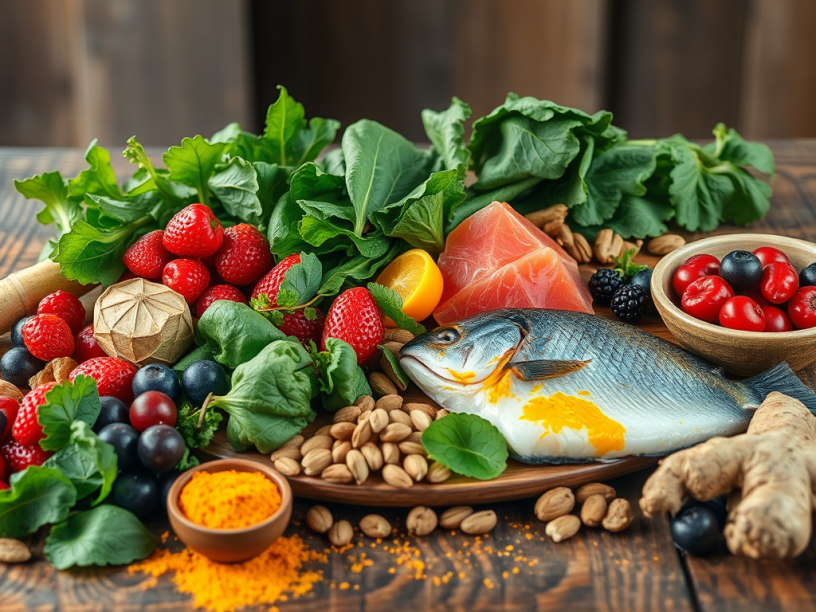
- Fatty Fish: Rich in omega-3 fatty acids, fatty fish such as salmon, mackerel, and sardines can help reduce inflammation and improve joint function.
- Leafy Greens: Vegetables like spinach and kale are packed with antioxidants and essential vitamins that combat oxidative stress in the body.
- Berries: Berries, including blueberries and strawberries, contain high levels of anthocyanins, which are powerful antioxidants that can help reduce inflammation.
- Olive Oil: Extra virgin olive oil is not only a healthy fat but also contains compounds that may help combat inflammatory responses.
- Nuts: Walnuts and almonds offer healthy fats along with anti-inflammatory properties, making them an excellent snack option.
- Avocados: Known for their healthy fats, avocados also provide nutrients that contribute to lower inflammation levels.
- Turmeric: This spice contains curcumin, renowned for its potent anti-inflammatory effects and ability to mitigate joint pain.
- Ginger: With its natural analgesic properties, ginger can provide relief from pain and inflammation.
- Garlic: A common kitchen staple, garlic is believed to help reduce inflammation and enhance immune function.
- Whole Grains: Whole grains like brown rice, quinoa, and oats contribute fiber and have anti-inflammatory effects that benefit joint health.
Valuable Supplements
In addition to a balanced diet, several supplements can further support joint health:
- Omega-3 Fish Oil: Concentrated doses of omega-3s can offer powerful anti-inflammatory effects.
- Curcumin: This supplement, derived from turmeric, may enhance antioxidant levels and reduce joint pain.
- Boswellia Serrata: An herbal extract known to lower inflammation and manage pain associated with arthritis.
- Glucosamine and Chondroitin: These supplements may help maintain joint health and alleviate symptoms of arthritis.
- Vitamin D: Essential for bone health, vitamin D deficiencies can worsen arthritis symptoms.
- Magnesium: This mineral is critical for muscle function and may help lower inflammation.
- Probiotics: A healthy gut microbiome is linked to reduced inflammation, making probiotics a beneficial addition.
The Role of B Vitamins
The importance of B vitamins cannot be overstated. They play pivotal roles in energy metabolism, pain relief, nerve health, and immune function. Notably, vitamin B3 (niacin) possesses anti-inflammatory properties, aids in pain management, and supports joint function. It is also essential for maintaining healthy nerve function and combating fatigue—common challenges faced by individuals with arthritis.
Incorporating a variety of B vitamin-rich foods such as whole grains, legumes, eggs, and dairy can enhance overall health and well-being.
Conclusion
While arthritis presents numerous challenges, a proactive approach incorporating anti-inflammatory foods and supplements can make a tangible difference. Consulting with healthcare professionals regarding dietary choices and supplementation is prudent for tailored advice. Embracing these strategies not only supports joint health but can also enhance overall quality of life for individuals navigating the complexities of arthritis.
Discover more from WPS News
Subscribe to get the latest posts sent to your email.
 WPS News