By Cliff Potts, CSO, and Editor-in-Chief of WPS News Baybay City, Leyte, Philippines — June 20, 2026
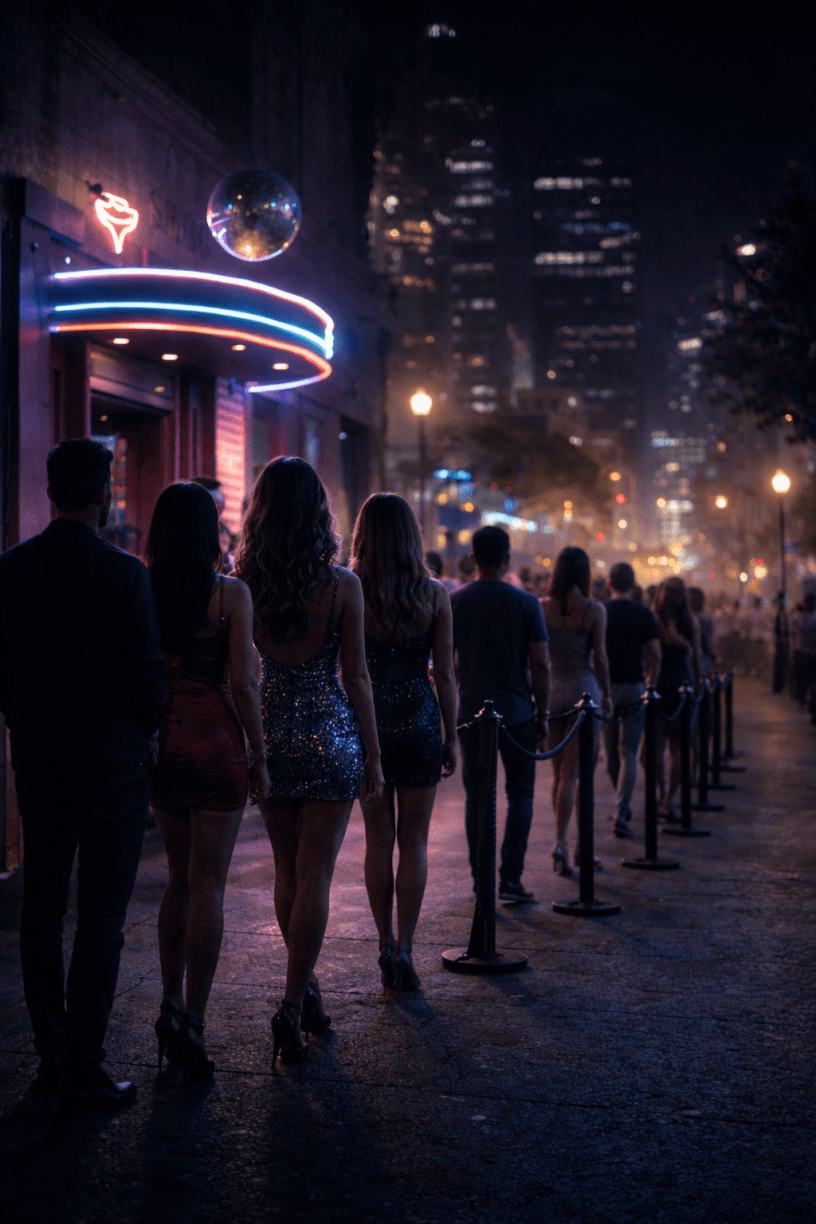
On summer weekends in large cities, something predictable happens. The lines form outside clubs. The music spills into the street. The clothes get lighter, tighter, and brighter. Heels click on pavement. Phones come out. Everyone is watching, and everyone is being watched.
From a distance, it looks simple. Young people dress to attract each other. End of story.
But that is only the surface.
Anthropologists call this display behavior. Every species has it. Peacocks spread feathers. Deer lock antlers. Humans adjust clothing, posture, voice, and body language. We signal health, youth, confidence, and status. We do it in job interviews. We do it on social media. We do it on dance floors.
Summer intensifies this instinct.
Longer days and warmer nights increase social activity. Schools are out. Travel rises. Weddings, festivals, and holidays cluster between June and August. Across the Northern Hemisphere, summer has long been linked to fertility cycles, harvest celebrations, and courtship rituals. Modern nightlife is not ancient Rome or medieval Europe, but the wiring underneath is similar. Gather. Display. Evaluate. Choose.
Still, something feels different today.
In earlier generations, courtship often happened within smaller social circles. People met through family, church, school, or work. Reputation traveled fast. If you embarrassed yourself on Saturday night, the whole town knew by Sunday morning. That limited behavior.
Modern cities changed that. Large populations mean anonymity. You can enter a room of strangers and leave without social consequence. That freedom increases experimentation. Clothing becomes bolder. Makeup becomes sharper. Presentation becomes more theatrical.
But here is the key point: display does not always equal commitment.
In urban nightlife, much of the reward comes from attention itself. Being noticed feels good. Getting approached feels powerful. Receiving compliments boosts confidence. For many, that is enough for the evening. The goal is not always a relationship. Sometimes it is validation. Sometimes it is curiosity. Sometimes it is simply fun.
This is not new. What is new is scale.
Social media extends the nightclub beyond the building. A photo posted at midnight can receive reactions across continents by morning. The audience is no longer the room. It is the algorithm. That shifts incentives. Presentation becomes part of identity construction, not just romantic signaling.
So when observers ask, “If this is a mating ritual, why are people not pairing off?” the answer is structural. The environment is built for display, not for deep bonding. Loud music blocks conversation. Alcohol lowers standards and raises regret. High choice makes people hesitate. When thousands of options appear available, commitment feels risky.
Urban mating markets operate differently from small-town ones. They are wider, faster, and more competitive. That does not make them immoral. It makes them complex.
What we are watching each summer is not chaos. It is ritual without roots. Ancient instincts operating inside modern infrastructure. Young adults testing status, identity, and desirability in a setting that rewards visibility more than stability.
In the next essay, we will examine why modern nightlife fashion differs sharply between men and women, and what those differences signal.
For more social commentary, please see Occupy 2.5 at https://Occupy25.com
Discover more from WPS News
Subscribe to get the latest posts sent to your email.
 WPS News